Felicebet Casino Sikrer Din Spiloplevelse med Licenserede Operatører i Danmark
25 de septiembre de 2026Sfide Settimanali Esclusive Ti Attendono all’AllySpin Casino in Italia
25 de septiembre de 2026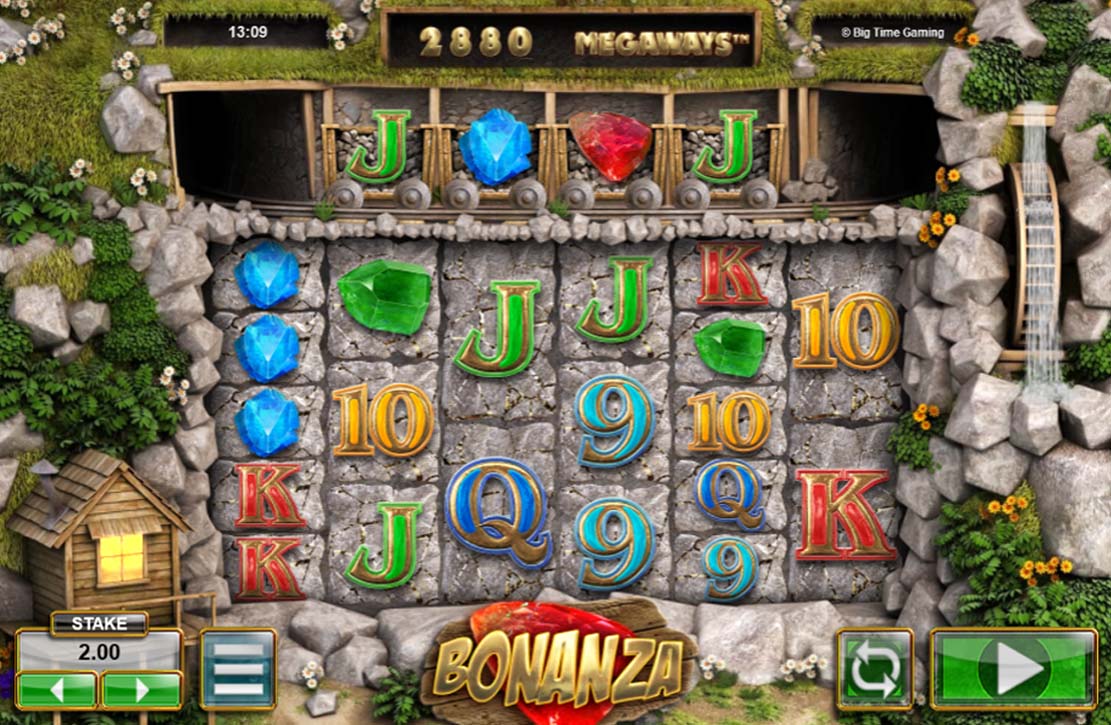
If you play online slots in the UK, you’ve probably seen the helpful but insistent pop-up messages in games like Brick House Bonanza. Many players ask what these warnings actually mean, how often they appear, and what effect they have on a gaming session. Getting to grips with these alerts is essential to playing safely and having fun, notably under the UK’s stringent rules meant to keep players protected. This guide will detail everything about these warnings. We’ll examine why they exist, analyze what triggers them in Brick House Bonanza, and define what they’re telling you about your play. This information is designed for UK players who want to grasp the responsible gaming framework. Once you understand the facts, these messages stop being mere disruptions and start acting as valuable tools to help oversee your entertainment.
Comprehending Slot Warning Messages in the UK Market
First, let’s clarify what these warning messages are inside the UK’s unique context. In the UK, every approved online casino and its games must feature a range of player protection tools, as mandated by the Gambling Commission. These pop-ups are not random. They are a central part of a game’s design, legally required to encourage safer gambling. The messages work like digital checkpoints, reminding you of the time and money you’re spending. For a UK player, seeing them is a sign of a properly regulated and reliable platform. Choosing to disregard these alerts can sometimes reveal a problem with your own playing habits. Fundamentally, they provide a built-in moment for reflection, prompting you to pause and think about your activity. This aligns right in with the «Play Safe» message you see across the UK industry.
The UK Gambling Commission (UKGC) mandates these features through its Licence Conditions and Codes of Practice (LCCP), under the social responsibility code. This legal framework means every spin you make on a licensed site happens inside an framework built with safety as a priority. The warnings are part to a bigger set of tools that includes reality checks, deposit limits, and time-out options. Their implementation has to be «meaningful.» They cannot be too easy to overlook or dismiss without a conscious thought. This is why, in Brick House Bonanza, the message covers the screen and needs a click to go away. It compels a brief disconnection from the hypnotic action of the reels. That intentional interruption is the key to its power as a behavioural nudge.
The Specific Warnings in Brick House Bonanza Slot
Brick House Bonanza, a lively and dynamic slot from a big-name provider, integrates these mandatory warnings into its gameplay. You will often come across two main types of alert during a session. The first is a time-based notification. It appears after a continuous period of play, often around the 60-minute mark. A message will cut across the reels to say you’ve been playing for an hour and to recommend you take a break. The second, more direct type, is the spending-related warning. This kicks in when your net losses during a single session exceed a considerable threshold. The game has no knowledge into your personal finances, so it uses your session data to initiate a reality check. The wording is consistently cordial and encouraging, using phrases like «Remember to take a break» or «Keep track of your spending.» Their purpose, however, is serious and grounded in UK regulatory compliance.
Aside from these two key alerts, the game’s interface might also show subtler, persistent reminders. In the lobby or settings menu, you could spot a small clock icon showing your current session length, or a quiet link to your account’s responsible gaming tools. These are passive warnings meant to keep awareness high. The main pop-ups, on the other hand, are hard to overlook. Their design matches Brick House Bonanza’s cartoonish, construction-site theme. They commonly use a similar colour scheme and font so they don’t feel completely out of place, yet they are different enough to break your rhythm. This careful design balances compliance with player immersion, a balancing act UK-regulated games are expected to walk.
Examining the Rate of Trigger Points
The rate of these alerts in Brick House Bonanza follows a particular algorithm linked to the game’s parameters and UKGC guidance. It is not random. The time-based warning is the most predictable. It usually appears right on cue after 60 minutes of non-stop play. The spend-related warning is more fluid. How often it occurs depends entirely on your betting style and the game’s variance. Brick House Bonanza is a high-volatility slot. This indicates wins can be less common but greater when they occur. This variance directly influences warning frequency. If you’re staking higher stakes and going through a long spell without a substantial win (a typical scenario in high-volatility games), the loss-triggered warning might appear more quickly. On the other hand, a session with regular wins could push that alert back. It’s a dynamic system, not one fixed to a fixed schedule.
A specific example aids illustrate this variable occurrence. Picture two players. Player A bets at £1 per spin. Player B spins at £5 per spin. Both start with a £100 balance and encounter a comparable losing streak. Player B’s session loss will build up five times more rapidly. This indicates the spend alert could engage in one-fifth of the time it would need for Player A. Also, the boundary for the loss warning is usually a percentage-based calculation on your running net loss. The specific algorithm is private, but industry practices point to it might activate once losses hit something like 50% of your starting session balance or a pre-set monetary cap chosen by the operator. Therefore, frequency is a direct result of your stake size, the game’s tempo, and your own fortune within the slot’s random number generator cycle.
How exactly Gameplay Mechanics Impact Alert Frequency
To genuinely grasp how frequently these pop-ups may appear, we ought to analyze the inner workings of Brick House Bonanza. The slot features cascading reels, free spins with multipliers, and a high volatility model. These elements generate a uneven flow to a session, with entertaining winning cascades then quieter spells. During a extended cascade or a active free spins round, you aren’t actively clicking the spin button. This may impact the estimated time alert. More significantly, the high volatility leads to your balance to increase and drop sharply. A sudden drop in your balance during a cold streak will trigger the financial warning faster than it might in a low-volatility game. Also, elements like the bonus buy option (where available) involve a large single wager. This instantly influences your session loss total and could bring up a warning a lot sooner than standard spin play could.
- Volatility: High volatility leads to sharper balance swings. This results in spend alerts appear more often during loss streaks. The title’s mathematical model is built on rarer, larger payouts. This inherently forms longer periods of deficit that hasten towards loss thresholds.
- Cascading Reels: Extended win sequences interrupt manual spinning. This somewhat extends real-time play before a time alert. The game clock for the 60-minute warning often halts during these animations. An hour of real clock time could contain more than an hour of «active play» as the system defines it.
- Bonus Buy Feature: A big one-off wager directly raises your session spending. It rapidly approaches loss-threshold triggers. For example, purchasing the free spins round for 100x your stake is a huge, immediate debit from your session balance.
- Bet Size: Playing at a larger stake per spin speeds up the rate at which you reach both time and loss-based warning parameters. The arithmetic is easy: bigger bets deplete a balance faster, rendering the financial alert nearly sure in long sessions.
- Auto-Spin Function: Using auto-spin could lead to a quicker build-up of both time and spins. This causes the one-hour warning appear to come more quickly, as you don’t manually beginning each round and lose the natural rhythm a manual player enjoys.
The United Kingdom’s Regulatory Framework Governing the Messages
These warnings are not just a helpful suggestion from the game developer. They are a legal necessity for any operator catering to the UK market. The UK Gambling Commission’s Licence Conditions and Codes of Practice (LCCP) make it clear that operators must put effective customer interaction processes in place. Automated warnings in games like Brick House Bonanza are a main method to meet this requirement. The Commission requires these alerts to be «timely» and «effective,» which accounts for their direct integration into gameplay. The thresholds, like the 60-minute mark, are industry standards used to satisfy this «timely» requirement. For UK players, this should give reassurance. A casino site that displays these warnings correctly is displaying its compliance and commitment to your safety. It constitutes a cornerstone of the regulated environment that separates licensed UK casinos from unlicensed ones.
The regulatory push goes beyond than just having a pop-up. The UKGC assesses the entire «customer journey» and how these interventions are displayed. The warning must be clear and require a positive action to dismiss. It cannot be a small footnote. Beyond this, operators must monitor how well these tools function. They are encouraged to use data analytics to spot players who repeatedly ignore the warnings, which may lead to more direct, personal contact from the casino’s safer gambling team. This creates a multi-layered safety net. The in-game message in Brick House Bonanza is the first, automated layer. Its presence and your reaction to it contribute to a larger system of care. This system is unique to the tightly regulated UK online gambling scene, providing a level of protection you won’t find on unlicensed sites.
Gambler Mindset and Reacting to Warnings
Receiving a warning in the middle of a game can stir mixed emotions. Some players consider it a helpful prompt. Others might consider it an annoying disruption, especially during a tense gaming session. Comprehending the psychology here is important. The «just one more spin» mindset is strong. These alerts are meant to break that automatic cycle. When Brick House Bonanza presents you with a message, our advice is to pay attention to it, even if just for a minute. Consider it a literal pause button. Step away, get a drink, and look at your session objectively. Ask yourself: Am I still playing for fun? Am I trying to win back losses? The warning is a neutral, data-driven tool. Your response dictates how useful it is. Viewing it as a positive feature of a responsible platform, rather than a nuisance, changes your relationship with the game. It encourages healthier habits.
The frustration some people feel often indicates deep involvement. It is exactly when a break is most helpful. Psychologists discuss a state of «disconnection» or being «in the flow», where your perception of time and money can become skewed. The warning is a designed point of interruption to counter this. By requiring a micro-break, it helps recalibrate your cognitive focus. It lets your rational, pre-frontal cortex take over over the more impulsive, reward-seeking parts of your brain. This is why having a structured response helps so immensely. Instead of clicking the message away in annoyance, use the moment for a deliberate, mindful check-in. Practicing this over time builds a healthier gaming habits that you control. You stop being influenced by the game’s engaging elements and rewards.
- Pause Immediately: As soon as the notification appears, cease playing. Utilise the required click to dismiss it as a opportunity to take a breath. Push your chair back from the monitor for ten seconds to break your intense playing posture.
- Perform a Rapid Self-Assessment: Ask yourself your emotional state, your remaining balance, and your initial objectives for this play. Are you experiencing irritation or enthusiasm? Is your current balance an amount you’re comfortable having spent for leisure?
- Review Your Session Stats: Many top UK gaming platforms provide a gaming log or timer in the interface. Look at your real time spent and final outcome. Observing the unvarnished statistics plainly can offer a sobering perspective. The gaming interface, with its exciting animations, often obscures this.
- Take a Deliberate Choice: Based on your check-in, intentionally pick to either end the session, create a new hard cap, or continue for a pre-defined short period. Should you proceed, say your new limit out loud, like «I shall continue for ten additional minutes or until I lose £20 more.»
- Use Site Features: See the notification as a cue to go to your account preferences. Reflect on turning on a session time limit or a cool-off period immediately. Use that instant of mindfulness to create a more robust restriction.
Fine-tuning Your Gaming Around Expected Warnings
Since these warnings are a set part of the Brick House Bonanza Financial Information experience, you can plan your play strategically to use them to your advantage. Consider them built-in session markers. The time alert is expected. You can use it to organise your gameplay into healthy chunks. Plan to play in 45-50 minute blocks, taking a short break before the warning even appears. This proactive method places you in charge. On the financial side, use deposit limits and session loss limits in your casino account settings *before* you start playing. These are more useful tools than the in-game warnings. By setting a loss limit of, for instance, £50, you might never even see the in-game spend alert. The casino platform will stop your play first. This turns passive warnings into an proactive, personalised safety net. It helps ensure your time with Brick House Bonanza stays engaging and within the boundaries you choose for yourself.
A more sophisticated level of optimisation involves syncing the game’s mechanics with your own limits. For example, if you use the bonus buy feature, factor in that large wager in your pre-set session budget. You might choose that a bonus buy will be your «finale» spin for that session. Furthermore, use the game’s high volatility to support your planning. Recognise that a long dry spell is not only possible but likely. Comprehend that such a spell will probably trigger a spend warning. When it does, let that be a signal. It might indicate the game is in a low-hit-rate phase, which could be an ideal time to stop and come back another day. By reframing the warning from a critique of your behaviour to insightful feedback on the game’s current cycle, you become a more aware and empowered player. You start managing the game environment instead of being subject to it.